
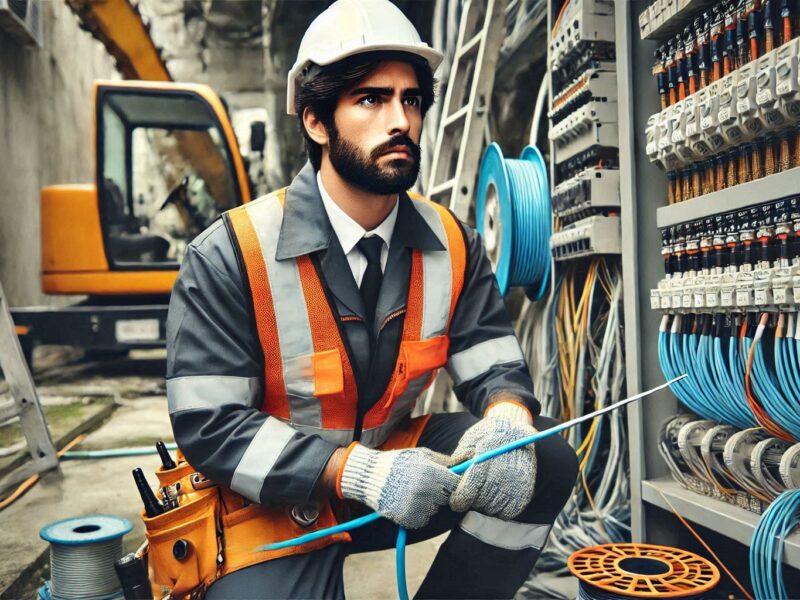
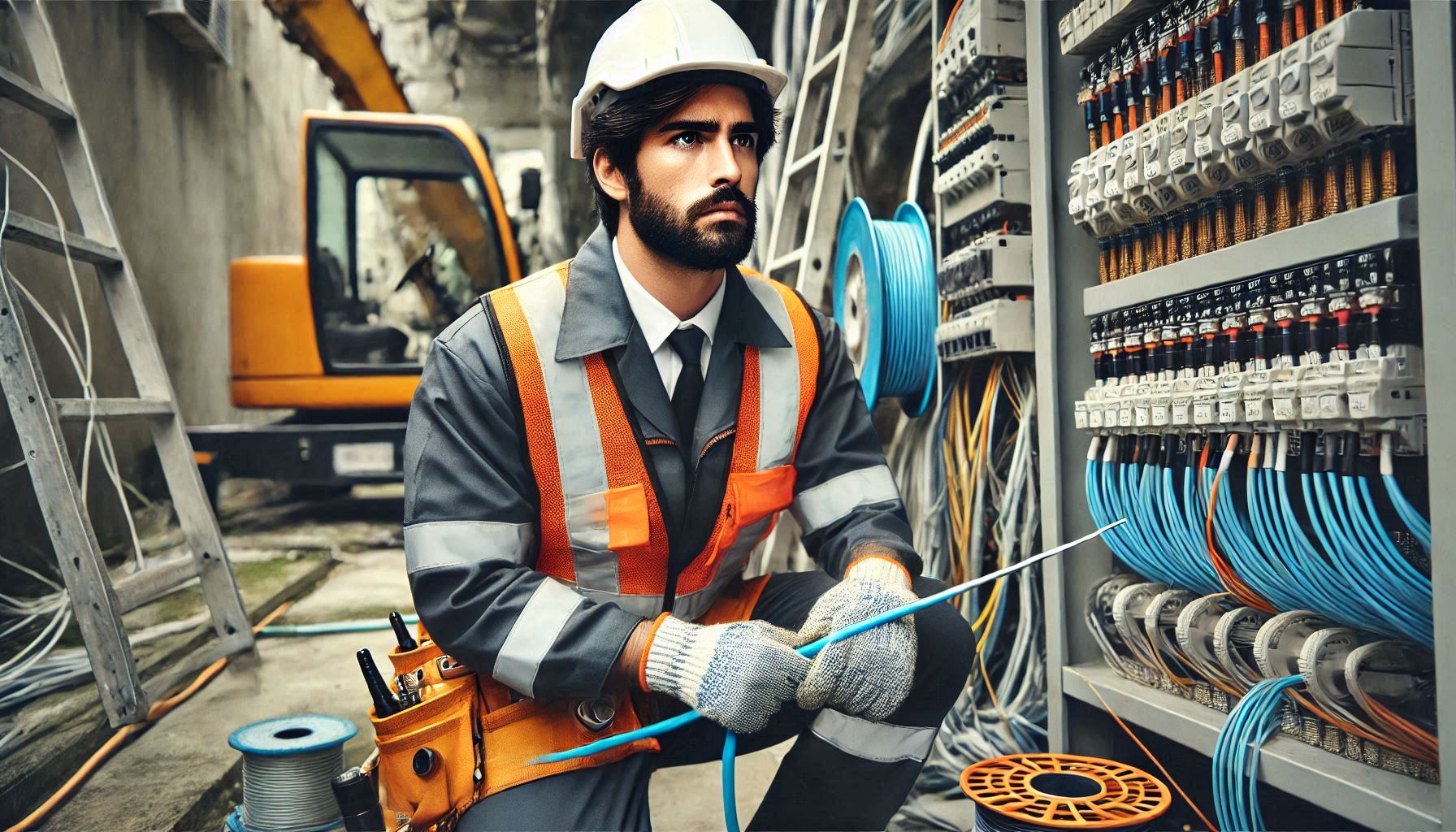
The role of a cable jointer is both technical and crucial in ensuring the integrity of electrical systems. Cable jointers work on everything from installing cables to maintaining them, all while ensuring that safety standards are met. If you’re considering a career as a cable jointer or are curious about the job, this article will provide a detailed insight into what it takes to succeed in this field.
Understanding the Role of a Cable Jointer
A cable jointer is a professional responsible for splicing and joining electrical cables. These jointers work with various cables, including those used for power distribution and high-voltage systems. Their primary goal is to ensure that cables are securely connected, properly tested, and fully functional. The job requires precision and adherence to strict safety regulations, especially when working with high-voltage cables like 132 kV and 220 kV.
Key Responsibilities of a Cable Jointer
Cable jointers have a diverse set of responsibilities, all of which play a vital role in ensuring that electrical systems run smoothly. Here are some of the key duties they perform:
Cable Splicing and Jointing
The core responsibility of a cable jointer is to prepare and securely connect cables using various jointing methods. This involves stripping cables, preparing joints, and ensuring that the connection is safe and reliable.
Installation and Termination of Cables
Cable jointers also install and terminate cables. This includes connecting cables to electrical panels, power stations, and other infrastructure. They are responsible for ensuring that cables are installed correctly and comply with safety standards.
Testing Cable Integrity
After installation, cable jointers must test the cables to ensure their integrity. Specialized equipment, like high-voltage testers and insulation resistance meters, are used to check for any issues in the cable’s insulation and overall performance.
Fault Diagnosis and Repair
One of the critical aspects of a cable jointer’s job is diagnosing and repairing faults. If a cable develops a fault, it’s up to the jointer to find the cause and fix the problem to prevent further damage or power outages.
Safety Compliance in Cable Jointing
Working with electrical systems requires strict adherence to safety standards. Cable jointers must always use proper protective equipment and follow safety protocols to prevent accidents.
Required Qualifications and Certifications for a Cable Jointer
To become a cable jointer, you’ll need specific qualifications and certifications. The most important of these is a certification in cable jointing, which demonstrates proficiency in handling various types of cables, including high-voltage cables.
Certification in Cable Jointing
A valid certification is essential for proving your skill in joining, splicing, and terminating cables. In particular, certifications for working with high-voltage cables are crucial.
Educational Requirements
Typically, a secondary school education with a technical background is required. However, specialized training in cable jointing is also necessary to ensure that you can work with cables safely and efficiently.
Knowledge of Different Cable Types
Cable jointers should be familiar with different types of cables, such as XLPE (cross-linked polyethylene), EPR (ethylene propylene rubber), and PVC cables. Each type has unique properties that affect the jointing process.
Experience Requirements for a Cable Jointer
For a successful career as a cable jointer, practical experience is essential. Most employers require at least 5 years of hands-on experience working with high-voltage systems. This experience ensures that you can handle the technical aspects of cable jointing, from installation to fault detection.
Experience with High-Voltage Cables
Working with high-voltage cables is one of the most challenging aspects of the role. A cable jointer must have experience with 132 kV and 220 kV systems to ensure the proper installation, maintenance, and troubleshooting of these power cables.
Tools and Equipment Used by Cable Jointers
Cable jointing requires a range of specialized tools and equipment. These tools are essential for cutting, stripping, splicing, and testing cables effectively.
Cable Jointing Tools
These include specialized cutters, strippers, crimpers, and jointing kits. Each tool has a specific purpose, allowing cable jointers to perform tasks with precision.
Testing Equipment
Testing equipment like high-voltage testers, insulation resistance meters, and fault locators are vital for ensuring the cables are working as expected.
Safety Standards and Compliance in Cable Jointing
Safety is paramount in cable jointing. Working with high-voltage cables can be hazardous, so cable jointers must adhere to strict safety protocols. This includes wearing personal protective equipment (PPE), using proper tools, and following electrical safety standards to prevent accidents and injuries.
Troubleshooting and Fault Diagnosis in Cable Jointing
Identifying and repairing faults in electrical cables is a critical skill for cable jointers. Whether the issue lies in the insulation or the connection, a jointer must use advanced diagnostic tools to pinpoint the fault and fix it promptly.
Working with Different Types of Cables
Cable jointers often work with various cables, such as XLPE, EPR, and PVC. Each type of cable has its specific jointing techniques, so it’s essential for jointers to be familiar with the properties and requirements of each.
The Importance of Cable Jointing in Power Distribution Systems
Cable jointing is a crucial part of maintaining reliable power distribution systems. It ensures that electrical cables remain functional over time and are capable of carrying the necessary power to homes, businesses, and other infrastructures.
The Career Path of a Cable Jointer
There are plenty of opportunities for growth in the field of cable jointing. With experience, you can advance to more senior positions, or even start your own jointing business. Additionally, obtaining further certifications and specialized training can lead to better job prospects.
Cable Jointing in Kuwait: Job Market and Location Benefits
For those living in Kuwait, the job market for cable jointers is promising. With the country’s growing infrastructure projects and demand for high-voltage systems, there are numerous opportunities for skilled jointers.
Collaboration and Teamwork in Cable Jointing Projects
Working as a cable jointer often requires collaborating with engineers, project managers, and other team members. Effective communication and teamwork are key to completing projects efficiently.
Documentation and Record Keeping
Keeping accurate records of cable installations, repairs, and tests is essential for ensuring that the electrical systems are properly maintained and meet all safety standards.
Conclusion
Cable jointers play an essential role in the electrical industry. They ensure the integrity of power systems and help maintain a steady flow of electricity. With the right qualifications, experience, and safety knowledge, a career in cable jointing can be both rewarding and fulfilling.
FAQs:
1. What qualifications are required for a cable jointer?
To become a cable jointer, you typically need a certification in cable jointing, secondary school education with a technical background, and hands-on experience working with high-voltage cables.
2. What types of cables do cable jointers work with?
Cable jointers typically work with cables such as XLPE, EPR, and PVC, each requiring specific jointing techniques.
3. How can I become a certified cable jointer?
To become certified, you’ll need to complete a training program in cable jointing, followed by obtaining a certification that demonstrates your expertise in high-voltage systems.
4. What tools do cable jointers use for cable jointing?
Cable jointers use tools such as cable cutters, strippers, jointing kits, and testing equipment like high-voltage testers and insulation resistance meters.
5. What are the safety standards in cable jointing?
Cable jointers must follow strict safety protocols, including using personal protective equipment and adhering to electrical safety standards, to prevent accidents when working with high-voltage systems.
Comments